Lo siento, no hay traducción al español esta semana
Winter’s Here: Are You Ready?
Winter solstice has just passed and we’ve already seen heavy rains, high winds, and power outages for weeks. Who knows what’s next? The new year is a good time to review household readiness. Check out the Prepare tab at VashonBePrepared.org. How much of the following have you already done? What are your preparedness goals for 2026?
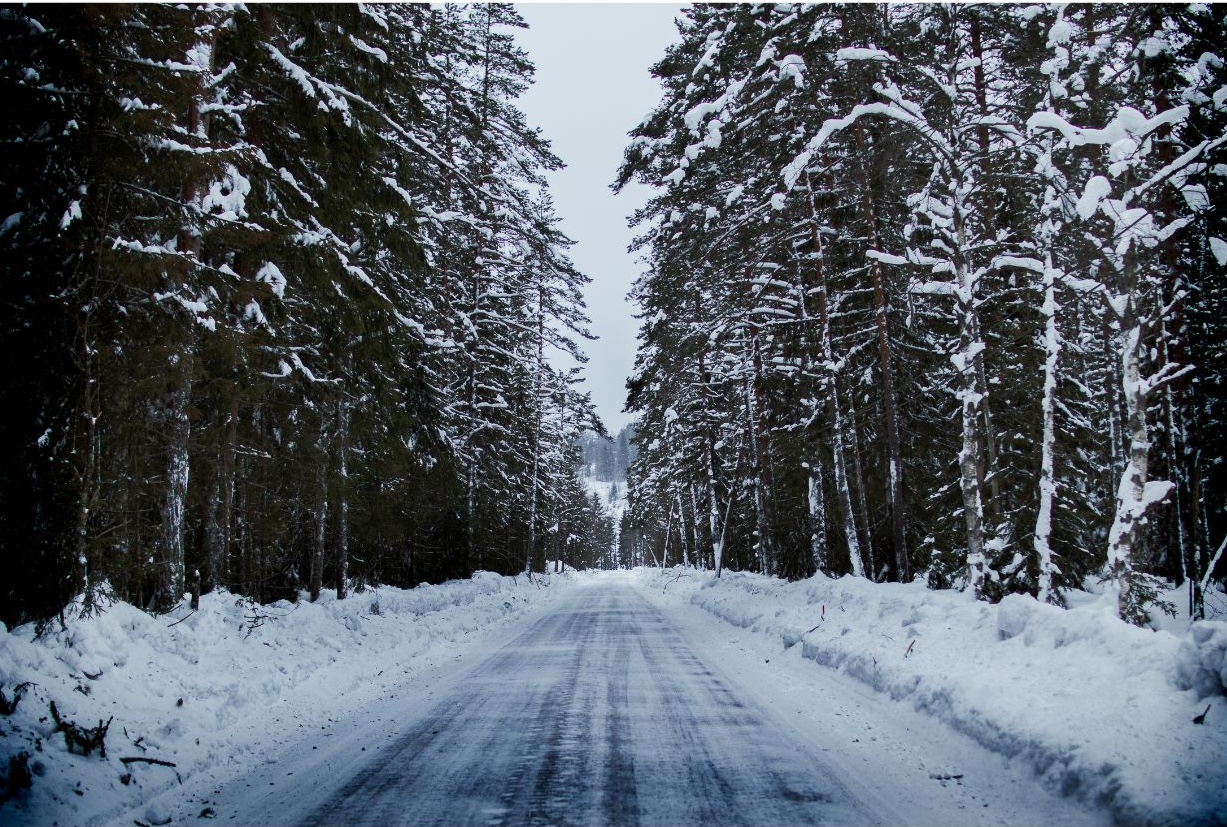
Canva stock photo
Store Water: Store one gallon per person per day of water for drinking and cooking. The goal is three weeks’ worth (21 gallons per person), but just get started – some is always better than none.
Disinfect Water: Drinking water that’s been stored for too long may contain microorganisms that cause disease. Most of those organisms can be killed either by boiling the water, adding water-disinfection tablets or plain household bleach (check the product label – it must read “disinfecting”). For more details, see bit.ly/EPAemergencyWater. Include water for pets and livestock.
Store Food: How many non-perishable meals are in your food supply? Collect cans of soups and stews, chicken and fish, beans, vegetables, and fruits for quick, easy meals that don’t require heating. Freeze-dried meals are handy but require boiling water and time to rehydrate, so stow a camp stove, a large spoon, and a pot along with the meals. Consider your family’s dietary needs and preferences. Add some treats to boost morale. Store extra non-perishable food for pets and livestock. Store non-canned food in metal such as a clean trash can, to protect it from rodents and insects.
Keep your Car Fueled: Fill your car’s gas tank, and/or charge its battery once fuel storage reaches half-empty.
Check your Generator: Add fuel and check the oil. Test-start it, run it for a few minutes every month, and keep spare parts handy. To prevent carbon monoxide poisoning, run generators outdoors and far away from doors and windows, using a long extension cord. Only connect your generator to household wiring if you’re certain your house is not feeding the grid, so as not to electrocute workers repairing power lines.
Check your Solar System: If you have a residential solar system with battery backup, ask your solar electrician to help you test the backup system by simulating loss of grid power. Have them connect the refrigerator, well pump, heating system, and some kitchen outlets to your solar sub-panel.
Make a Plan: Review your family’s emergency plan. Give each person a wallet card with contact phone numbers, and identify a place to meet if separated. Include the number for an out-of-area emergency contact. Long-distance calls may still get through when local calls fail after a disaster (bit.ly/OutOfAreaContacts).
Check Batteries: Check all your battery-operated devices, such as radios, flashlights, headlamps, cell phones, and any other essential gadgets. Stock up on batteries or recharge them as needed. Avoid storing batteries inside devices because battery corrosion may damage devices.
Prepare to Stay Warm: What’s your plan for when electric-powered heat goes out? Healthy folks can bundle up, eat more calories, and stay active while awake. Less mobile people (seniors, infants, and people with mobility challenges) may need to shelter with family, friends, or neighbors who have non-electric heat.
Get Fuel for Outdoor Cooking: Make sure your camp stove is working and has extra fuel. Stock up on charcoal or propane for your barbecue. Never run barbecues or camp stoves indoors — they produce carbon monoxide, which is an odorless gas that kills.
Store Medical Supplies: Stock two weeks of prescription drugs and medical supplies for your household, including what’s needed for pets and livestock. Check and refresh your first aid kit. (See VashonBePrepared.org/newsletters, for the December 18th article on how to develop an emergency supply of prescriptions.) Critical medical devices can be kept running on backup power – contact the manufacturer or your healthcare provider for advice.
Get to Know Your Neighbors: How will you make sure your neighbors are okay during an emergency? Will you need or can you share tools and supplies, and maybe even a spare bedroom? Start or renew your Neighborhood Emergency Response Organization (NERO). For information, visit tinyurl.com/VBP-NERO or email nero@vashonbeprepared.org.
Stash Some Cash: In an emergency, electricity and internet may be down, so ATMs and credit cards may not work. A cash stash of small bills can pay for emergency supplies.
Tune In: Your car probably has the best radio reception for staying informed – set one of its memory buttons to 1650AM, for Voice of Vashon (VoV) emergency alerts. Tune in when you see flashing lights on top of the fire danger signs along Vashon Highway. Or get your emergency information through the VoV smartphone app, Emergency Alert Service emails, Vashon social media, or VoiceOfVashon.org. Sign up for alerts at: voiceofvashon.org/alerts-and-news
Your Turn
For nearly five years, the newsletter team at VashonBePrepared has tackled topics of public health, safety, emergency preparedness and response, information about local resources, and more. Our collaborations draw from all the experts and reliable data we can access, from Vashon, King county, Washington state and beyond. Now we’re looking to you – what questions do you have for 2026? Email your questions to sitaware@vashonbeprepared.org